









| Ex-Military
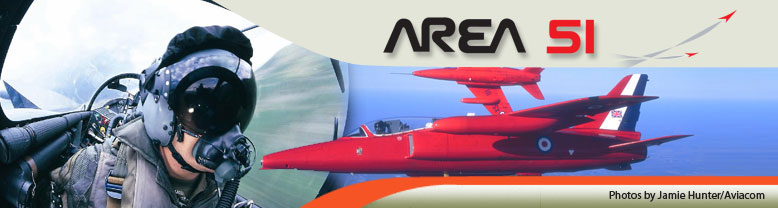
Jets In The UK The Civil Aviation Authority (CAA) has a refreshingly pragmatic approach to flying ex-military jets in the UK. Their requirements are not unduly onerous and focus on ensuring that they are flown safely. All ex-military jets are operated under the "Permit to Fly" system rather than a certificate of airworthiness. The inspection and maintenance regimes are based on the military schedules but include calendar as well as flying hour thresholds. Types flying in the UK The CAA only permit aircraft in the simple and intermediate category of complexity. This sadly has precluded the acceptance of types such as the EE Lightning, the HS Buccaneer and the MIG 21. However, a large range of aircraft have been accepted these include:
Pilot Training Training to fly these machines is within the capabilities of the average PPL. Experience helps but is not a prerequisite. There are several pilots who have moved straight onto Jet Provosts and L29 Delfin's immediately after completing their PPL. Flight training usually takes between 5 and 20 hours depending on previous experience and the aircraft type. Most training is carried out by ex-military instructors or experienced jet pilots. Upon completion of the training, the CAA issue pilots with an exemption on their license to fly the jets rather than a type rating. Costs Ex-military jets can be extremely expensive to operate. Fixed costs include items such as maintenance, hangarage and insurance, whilst operating costs include fuel, oxygen, oil etc. The best way to reduce/share these costs is to join a syndicate. We would strongly recommend joining Where Eagles Share. |
||||||